
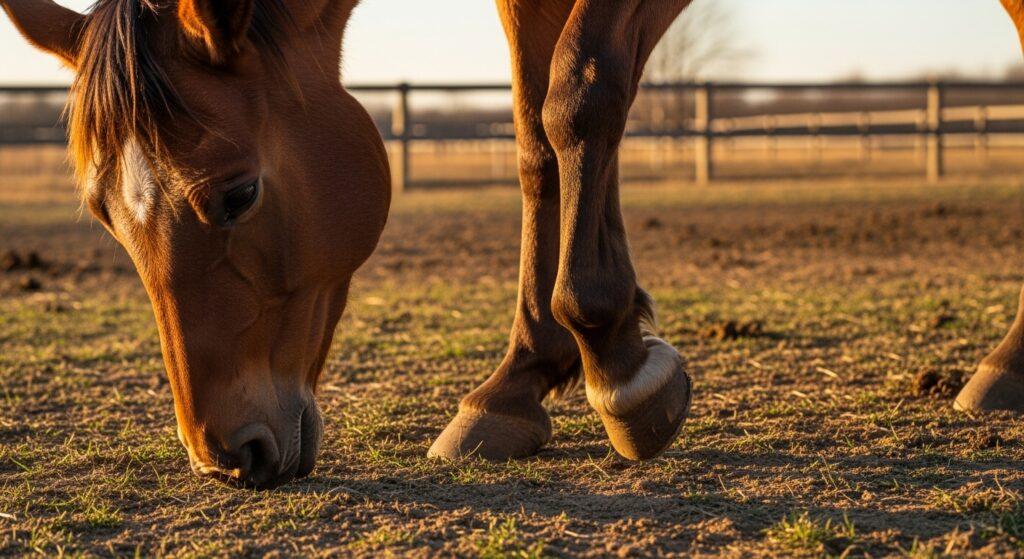

Lameness in Nigerian horses is one of the most common problems affecting performance, mobility, and overall health. In most cases, it results from injuries, infections, or poor management practices. However, early detection and proper care can prevent long-term damage. At Dulham Veterinary Clinic, veterinarians regularly treat horses showing signs of lameness, and many cases improve quickly when addressed early. Because horse owners often miss subtle symptoms at the beginning, understanding the top causes helps you take action before the condition worsens.
Across Nigeria, horses used for polo, security, transport, or ceremonial purposes face unique environmental and management challenges. Therefore, identifying these risks is key to prevention and long-term care.
What Is Lameness in Horses?
Lameness refers to an abnormal gait or difficulty in movement caused by pain or injury in the limbs. Although some cases appear suddenly, others develop gradually over time.
In many situations, horses may show:
-
Limping or uneven walking
-
Reluctance to move or run
-
Swelling in joints or limbs
-
Reduced performance
Because these signs may seem mild initially, regular observation becomes essential.
Top 10 Causes of Lameness in Nigerian Horses
1. Hoof Problems (Cracks, Abscesses, Overgrowth)
Hoof issues remain one of the leading causes of lameness. Poor trimming or prolonged exposure to wet conditions often leads to infections or structural damage.
2. Laminitis
Laminitis causes inflammation inside the hoof and can become extremely painful. It often results from overfeeding or metabolic issues.
3. Tendon and Ligament Injuries
Overworking horses, especially in polo or racing, increases the risk of soft tissue injuries.
4. Joint Infections and Arthritis
Older horses frequently develop joint degeneration. As a result, stiffness and reduced mobility become more noticeable.
5. Fractures and Trauma
Accidents, falls, or collisions may cause fractures or severe injuries requiring immediate veterinary care.
Recommended Articles:
Managing Arthritis in Nigerian Dogs: Signs, Treatment and Care Tips
Cost of Horse Vaccination in Nigeria for 2026: Types, Factors, & Tips
Top 10 Places to Buy a Horse in Nigeria (2026 Guide)
6. Poor Shoeing or Farriery
Improper hoof care leads to imbalance and uneven weight distribution, which contributes to lameness.
7. Foot Rot and Infections
Bacterial infections thrive in wet or dirty stables, significantly affecting hoof health.
8. Muscle Strain from Overwork
Excessive training without proper rest leads to fatigue and muscle damage.
9. Nutritional Deficiencies
Poor diet weakens bones, joints, and hooves, making horses more prone to injuries.
10. Improper Housing Conditions
Hard flooring, slippery surfaces, or overcrowding can increase the risk of injury.
Dulham Veterinarians often find that multiple factors combine to cause lameness rather than a single issue.
Real-Life Examples of Lameness in Nigerian Horses
A polo horse in Ikoyi developed sudden lameness after intensive training. Upon examination at Dulham, veterinarians diagnosed a tendon strain. After rest and therapy, the horse returned to full performance within weeks.
In another case, a ceremonial horse in Abuja showed mild limping for several days. The owner initially ignored it, assuming it was minor. However, a later check revealed a hoof abscess that required treatment. Once treated properly, the horse recovered quickly.
Similarly, a transport horse in northern Nigeria developed chronic lameness due to poor nutrition and hoof neglect. With dietary improvement and consistent farriery care, its condition improved significantly.
These examples highlight how early intervention reduces long-term complications.
Care Tips to Prevent and Manage Lameness
- Maintain Proper Hoof Care
Regular trimming and cleaning prevent infections and structural problems. - Provide Balanced Nutrition
Ensure diets contain adequate minerals, vitamins, and protein to support joint and bone health. - Avoid Overworking Horses
Gradual training and adequate rest reduce the risk of injuries. - Improve Stable Conditions
Dry, clean, and non-slip environments protect hooves and joints. - Schedule Regular Veterinary Checkups
Routine assessments at Dulham Veterinary Clinic help detect early signs of lameness before they worsen. - Monitor Movement Daily
Observing how your horse walks and behaves helps identify subtle changes quickly.
When to Call a Veterinarian
Immediate veterinary attention is necessary if your horse:
-
Refuses to bear weight on a limb
-
Shows severe swelling or heat in the leg
-
Experiences sudden or worsening lameness
-
Displays signs of intense pain
Early diagnosis enables effective treatment and a faster recovery.
Nigerian horses are not cheap. Lameness in Nigerian horses can significantly affect performance, quality of life and be financially draining to manage. However, with proper care, early detection, and professional support, most cases can be managed effectively. Understanding the causes and applying preventive measures ensures your horse remains healthy and active.
For expert diagnosis, treatment, and support in equine care, visit Dulham Veterinary Clinic today.
Phone Us
0806 632 9826
Visit Us
No. 10B Michael Olawale Cole Street, Lekki Phase One, Admiralty Way, Lagos.
No. 3 Isiokpo Street, Phalga, Port Harcourt
Mail Us
help@dulhamvetclinic.com
Join our WhatsApp Community – learn from other pet parents, and be the first to know about exclusive offers. Click to join the group.
Frequently Asked Questions on Lameness in Nigerian Horses
What is the most common cause of lameness in Nigerian horses?
Hoof-related problems such as cracks, abscesses, and poor trimming are the most common causes. These issues often result from improper management or environmental conditions.
How can I tell if my horse is lame?
Signs include limping, uneven walking, reluctance to move, and reduced performance. Observing your horse daily helps detect these changes early.
Can lameness in horses be treated?
Yes. Treatment depends on the cause and may include rest, medication, hoof care, or surgery. Early diagnosis improves treatment success significantly.
How often should horses receive hoof care?
Most horses require hoof trimming every 4–6 weeks. Regular care prevents many causes of lameness.
Can poor feeding cause lameness in horses?
Yes. Nutritional deficiencies weaken bones and joints, increasing the risk of lameness. Balanced diets are essential for equine health.
When should I call a vet for horse lameness?
You should contact a veterinarian immediately if the lameness is severe, sudden, or persistent for more than a few days.