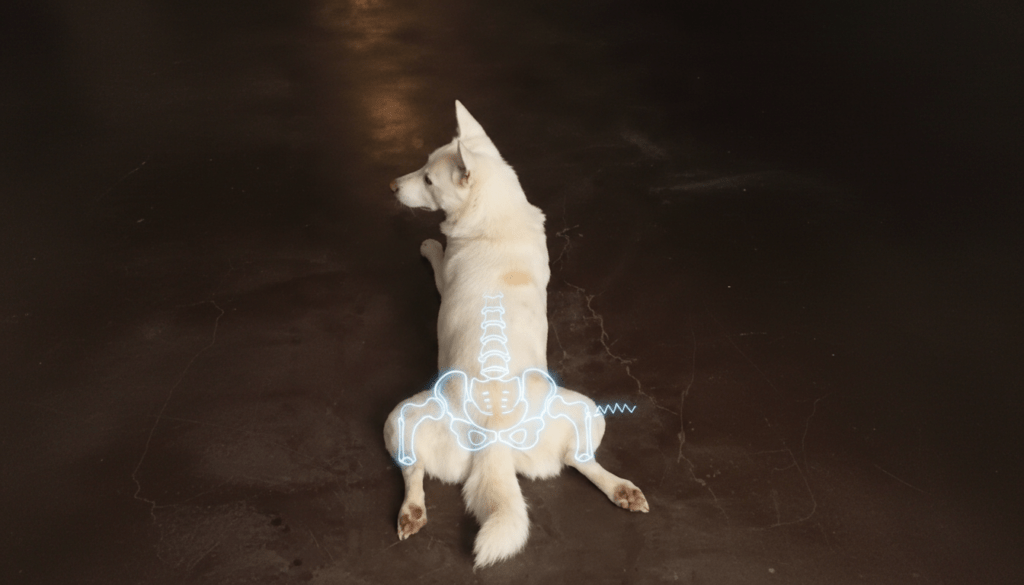

Hip dysplasia in dogs is one of the most common orthopaedic conditions affecting large and medium-sized breeds, especially in Nigeria. Because early diagnosis significantly improves outcomes, pet owners must understand the risk factors, warning signs, and treatment options. Our expert veterinarians at Dulham Vet Clinic regularly diagnose and manage hip dysplasia in dogs using modern veterinary techniques and compassionate care. Since this condition can affect mobility and quality of life, taking action early makes a meaningful difference.
Hip Dysplasia in Dogs
Hip dysplasia in dogs occurs when the hip joint fails to develop correctly, leading to instability, pain, and progressive joint damage. Although genetics plays a significant role, environmental factors such as diet, exercise, and weight also contribute significantly. Therefore, understanding how the condition develops allows owners to reduce risks and improve long-term outcomes.
How Hip Dysplasia Affects a Dog’s Mobility
When the hip joint is loose, the ball does not sit firmly in the socket. As a result, friction increases, which eventually leads to arthritis, stiffness, and reduced movement.
Early detection is critical to effectively manage hip dysplasia. Although symptoms may start subtly, early veterinary intervention slows disease progression. For this reason, routine checkups by professionals are essential, especially for at-risk breeds.
Breeds Most at Risk for Hip Dysplasia
Certain dog breeds are genetically predisposed to hip dysplasia, particularly large, fast-growing breeds. Below we have grouped the common breeds of dogs that are predisposed to hip dysplasia:
- Large and Giant Breeds with High Risk:
Breeds such as German Shepherds, Labrador Retrievers, Golden Retrievers, Rottweilers, Boerboels, and Saint Bernards face a higher risk. - Medium and Mixed Breeds Also Affected:
Although large breeds are more vulnerable, medium-sized and mixed-breed dogs can also develop the condition. Therefore, no dog should be excluded from routine screening for hip dysplasia by an expert veterinarian.
RECOMMENDED
- Cat Spay/Neuter: What to Expect and Why It’s Important in Nigeria
- Top 10 Dog Boarding Facilities in Lekki, Lagos | Prices & Booking Guide
- Top 10 Dog Breeding Facilities in Lagos
Other Risk Factors of Hip Dysplasia
While genetics remains the primary cause, it is vital to note that environmental factors, such as excessive weight gain due to overfeeding, nutritional deficiencies, rapid growth, and inappropriate exercise, increase the likelihood of developing hip dysplasia in dogs.
Common Signs and Symptoms of Hip Dysplasia in Dogs
Recognising symptoms early helps reduce long-term joint damage and discomfort.
- Early Warning Signs in Puppies and Young Dogs: Puppies may show reluctance to run, climb stairs, or jump. Additionally, they may bunny-hop while running or struggle to rise after resting.
- Progressive Symptoms in Adult and Senior Dogs: As dogs age, stiffness, limping, hind leg muscle atrophy, and decreased activity become more noticeable. Eventually, pain worsens without treatment.
When to See a Veterinarian
If your dog shows persistent lameness, discomfort, or changes in mobility, immediate veterinary assessment is necessary. Dulham Vet Clinic professionals offer diagnostic imaging and orthopaedic evaluations to detect conditions early.
Diagnosis and Testing for Hip Dysplasia
- Physical Examination and Gait Analysis: Veterinarians assess joint mobility, pain response, and gait to detect abnormalities.
- X-Rays and Imaging Techniques: Radiographs confirm the diagnosis and determine the severity. Therefore, imaging is essential for accurate treatment planning.
Screening allows early intervention, which significantly improves long-term joint health and comfort.
Treatment Options for Hip Dysplasia in Dogs
Treatment depends on the dog’s age, severity, and overall health.
- Non-Surgical Management Options
Weight management, controlled exercise, joint supplements, and pain medication often relieve mild to moderate symptoms.
- Physical Therapy and Lifestyle Adjustments
Hydrotherapy, gentle strengthening exercises, and supportive bedding improve mobility and comfort.
- Surgical Treatment Options
Severe cases may require surgical intervention such as femoral head ostectomy (FHO) or total hip replacement (THR). At Dulham Vet Clinic, we provide referrals for advanced orthopaedic care when surgery is required.
Long-Term Management and Quality of Life
- Pain Control and Joint Support
Ongoing pain management and nutritional support maintain comfort and function. - Monitoring Progress and Adjusting Care
Regular veterinary reviews ensure treatment plans remain effective as your dog ages. - Support Recovery at Home
Maintaining a healthy weight, providing soft bedding, and avoiding slippery surfaces help protect joints and enhance mobility.
Preventing Hip Dysplasia in Dogs
- Responsible Breeding Practices: Choosing puppies from screened parents significantly reduces genetic risk.
- Nutrition and Growth Management: Balanced diets prevent excessive weight gain and abnormal growth patterns.
- Safe Exercise and Puppy Development: Controlled activity avoids joint stress while promoting healthy muscle development.
Conclusion
Hip dysplasia in dogs can significantly affect your pet’s mobility and quality of life; however, with early detection and proper care, many dogs live comfortable, active lives. Our team offers comprehensive diagnosis, treatment planning, and long-term management for dogs with joint conditions.
Book an appointment at Dulham Vet Clinic today to get your dog screened and start a proactive care plan for lifelong joint health.
Visit Dulham Vet Clinic today and give your cat the best start possible!
Phone Us
0806 632 9826
Visit Us
No. 10B Michael Olawale Cole Street, Lekki Phase One, Admiralty Way, Lagos.
No. 3 Isiokpo Street, Phalga, Port Harcourt
Mail Us
help@dulhamvetclinic.com
Join our WhatsApp Community – learn from other pet parents, and be the first to know about exclusive offers. Click to join the group.
Frequently Asked Questions on Hip Dysplasia in Dogs
1. What is hip dysplasia in dogs?
Hip dysplasia in dogs is a genetic joint condition in which the hip joint develops abnormally, leading to pain, instability, and arthritis.
2. Which dog breeds are most prone to hip dysplasia?
German Shepherds, Labradors, Golden Retrievers, Rottweilers, Boerboels, and Saint Bernards are among the highest-risk breeds.
3. Can small dogs get hip dysplasia?
Yes. Although less common, small and medium-sized dogs can also develop the condition.
4. What are the first signs of hip dysplasia in puppies?
Early signs include difficulty standing, bunny-hopping gait, and reluctance to climb stairs or jump.
5. How is hip dysplasia diagnosed?
Diagnosis involves physical exams and X-rays to assess joint structure and severity.
6. Is hip dysplasia curable?
Although there is no cure, early treatment significantly improves comfort and mobility.
7. Can hip dysplasia be managed without surgery?
Yes. Many dogs respond well to weight control, medication, supplements, and physical therapy.
8. How much does hip dysplasia treatment cost in Nigeria?
Costs vary based on severity, treatment type, and clinic services. Non-surgical care is generally more affordable than surgery.
9. Can exercise worsen hip dysplasia?
High-impact or excessive exercise can worsen symptoms, while controlled, low-impact activity improves joint strength.
10. How can I prevent hip dysplasia in my dog?
Choose responsibly bred puppies, maintain a healthy weight, provide proper nutrition, and schedule regular vet checkups.